
✦ ECO FRIENDLY HOMES / BETTER LIVINGSOUTH AFRICAN HOME GUIDES ↗
WINDOW IDEAS • GLAZING • HOME COMFORT

Let in the light.
Keep the
comfort inside.

Compare standard glazing, double glazed options and high-performance frames for South African homes. Discover what makes a window feel quieter, warmer, cooler and easier to live with. Good windows should also complement the architecture and day-to-day use of each room.

01 DESIGN02 PERFORMANCE03 PRACTICAL GUIDANCE
DESIGNED FOR COMFORT ✳
LIGHT INCOMFORT STAYSGLAZINGTHAT PERFORMS
DAYLIGHT / TEMPERATURE / QUIET SPACES
THOUGHTFUL MATERIALS. REALISTIC EXPECTATIONS.MAKE EVERY DESIGN DECISION COUNT ↗
01 / WHERE TO BEGIN

Choose windows that suit the home and its climate.

The right glazing can admit natural light while helping control unwanted heat flow and outside noise. Frame material, glass coatings, opening style, seals and installation quality all contribute to real-world comfort, often as much as the pane count itself. Well-designed windows balance ventilation, security, daylight and energy considerations.

Start with the conditions of your home. Consider orientation, exposure, existing construction, installation access and the maintenance you are comfortable with. A specification that suits one house can be a poor match for another.

YOUR NEXT STEP, MADE SIMPLE
01 Browse available approaches ↗02 Compare the important details ↗03 Try the planning tool ↗04 Read the specialist articles ↗
A GOOD PLACE TO START
Make an informed choice before spending money. The best outcome comes from the right products, careful measurement and installation that respects the full building system.
02 / THE MAIN OPTIONS

Explore materials
with purpose.

There is no universal winner. The most useful comparison starts with your objective and works backwards to the most suitable construction.

01 / THE PRACTICAL BASELINE
▤

Standard single glazing

A straightforward option for many projects. Glass, shading and good seals still matter, particularly on sun-facing elevations and exposed sites. Standard windows can remain practical where performance demands are modest.

Compare glazing options ↗
02 / BETTER THERMAL CONTROL
◈

Double glazed windows

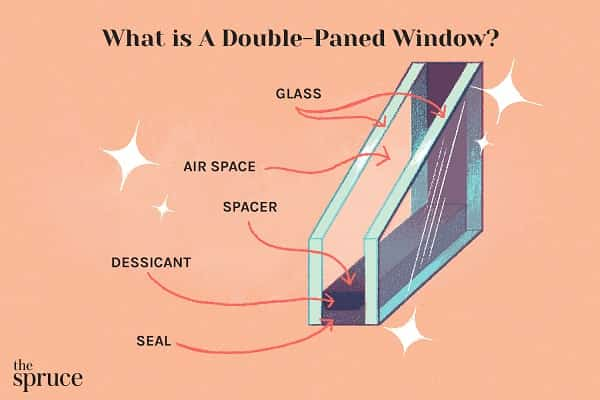
Two panes separated by a sealed cavity can reduce heat transfer compared with a similar single-pane unit. The improvement depends on coatings, spacing and frame design. Double glazed windows should be compared as complete units.

Read the double glazing guide ↗
03 / DESIGNED FOR CLIMATE
✳

Efficient glazed systems

Look at low-emissivity coatings, suitable solar-control glazing, insulated frames and installation details as a complete performance package. Efficient windows work best with compatible shading and good sealing.

Explore energy-saving ideas ↗
03 / COMPARE WITH CONFIDENCE

What to compare before requesting prices

A good quotation should tell you more than glass thickness. Ask each supplier for comparable performance information and the full specification. Comparing windows only by purchase price can hide meaningful differences.

U-VALUE

Heat transfer through the unit

Lower values generally indicate better insulation for a specified assembly.

CHECK: Compare the same measurement basis.
SHGC

Solar heat admitted indoors

A lower value can limit solar gain where overheating is a concern.

CHECK: Shading and winter sun also matter.
FRAME + SEALS

Real-world airtightness

Material, thermal breaks and weatherseals affect comfort.

CHECK: Poorly installed units leak air and water.
ACOUSTIC DESIGN

Control of outdoor noise

Laminated glass, differing pane thicknesses and appropriate gaps can help.

CHECK: Ask for tested sound-reduction data.
04 / AN IMPORTANT DETAIL

Double glazing is more than two panes of glass.

A sealed insulated glass unit usually has two panes separated by a cavity. In a well-designed assembly, this reduces conductive heat flow. The result can be improved comfort near large glazed areas when compared fairly with a comparable single-glazed system. Double glazed windows vary considerably in measured performance.

Low-emissivity coatings can change heat transfer, while solar-control options influence how much sunshine enters the room. Frame material and thermal breaks are part of the calculation. For a coastal home, appropriate hardware, installation and maintenance may also be important. Coastal windows may require special attention to corrosion and hardware.

No glass package fixes poor shading or gaps around the frame. Think about the direction of each elevation, prevailing wind, daylight needs and the way a room is used before deciding on a specification.

Explore the full guide ↗
05 / A USEFUL PLANNING TOOL

Specify for your real priorities.

Choose the main challenge in your home. This quick selector shows what to discuss with a glazing specialist. It is guidance, not a substitute for a site survey or measured performance data.

Before proceeding, compare the published data and discuss your project requirements with a supplier or installer who can verify the final specification.

What would you improve?

Choose the concern that matters most in the room.

Review thermal performanceAsk for comparable whole-window U-values, frame specification and installation details.
06 / A SENSIBLE PROCESS

Four steps toward
a better result.

A beautiful finish is only half the story. Thoughtful planning and good workmanship are essential for lasting comfort.

01 / ASSESS

Know the exposure

Note sun orientation, wind, driving rain, nearby roads and the rooms that overheat. North- and west-facing rooms may have very different solar needs.

02 / COMPARE

Read the specification

Ask about U-value, solar-gain data, framing, glass make-up and acoustic ratings.

03 / DETAIL

Plan the fit

Ensure opening sizes, flashing, water control and air sealing are handled correctly. Replacement windows must be safely supported and weatherproofed.

04 / MAINTAIN

Protect the investment

Clean drainage paths and seals, service hardware and watch for condensation between panes.

IMPORTANT: Published product claims and performance ratings must be checked for the exact system. Follow current manufacturer guidance and the applicable South African building requirements, particularly where safety, weatherproofing or fire performance is involved.
07 / THE READING ROOM

Explore the articles.
Understand the options.

Browse useful guides already published on Eco Friendly Homes, and continue down the page for the latest posts in this category.

Latest Windows articles

New posts appear here automatically when published to this category. Continue through the archive with the page controls below.

DOUBLE GLAZED WINDOWS

DOUBLE GLAZED WINDOWS

WINDOWS EXPLAINED · A SOUTH AFRICAN HOME GUIDE Double Glazed Windows: Benefits, Choices & Buying Advice Double glazed windows can improve thermal comfort, but…

Read guide ↗
08 / QUESTIONS ANSWERED

Good decisions begin with clear answers.

These are common questions worth addressing when comparing products or planning an upgrade. The final choice should follow the actual site conditions.

Are double glazed windows always worth the extra cost?

They may improve comfort substantially, particularly where heat transfer is a major concern. Value depends on the opening size, orientation, local climate, chosen specification and your budget.

Are aluminium frames energy efficient?

They can be specified with thermal breaks and suitable seals. A plain conductive frame and a thermally broken frame should not be treated as equivalent. Compare whole-window performance where available.

What is the difference between Low-E and tinted glass?

Low-E refers to a low-emissivity coating intended to control radiant heat transfer. Tinted or solar-control glazing addresses sunlight and glare. Products can combine features, but their measured properties differ.

Does double glazing automatically make rooms soundproof?

No. Acoustic results depend on glass make-up, pane spacing, frames, seals and installation. Some asymmetric or laminated combinations outperform ordinary symmetrical units for particular sound frequencies.

Can I replace the glass and keep my existing frames?

Sometimes, but insulated glass units are thicker and heavier than ordinary panes. An installer must confirm that the existing frame can accommodate the correct unit, drainage and glazing details safely. Not all older frames can accept thicker sealed glass units.

What should I ask when comparing a quotation?

Request the exact glass build-up, frame series, hardware, seals, warranties, measured thermal and acoustic figures where available, installation scope and aftercare details. Ask how the proposed windows will be sealed around the opening.