

FAMILY LEARNING · SOUTH AFRICAN HOMES
Renewable Energy for Kids: 6 Practical Activities
Make renewable energy for kids easier to understand with everyday examples, simple observations and six activities. Explore sunlight, wind and energy-saving homes together, without needing an expensive science kit.
Explore the activities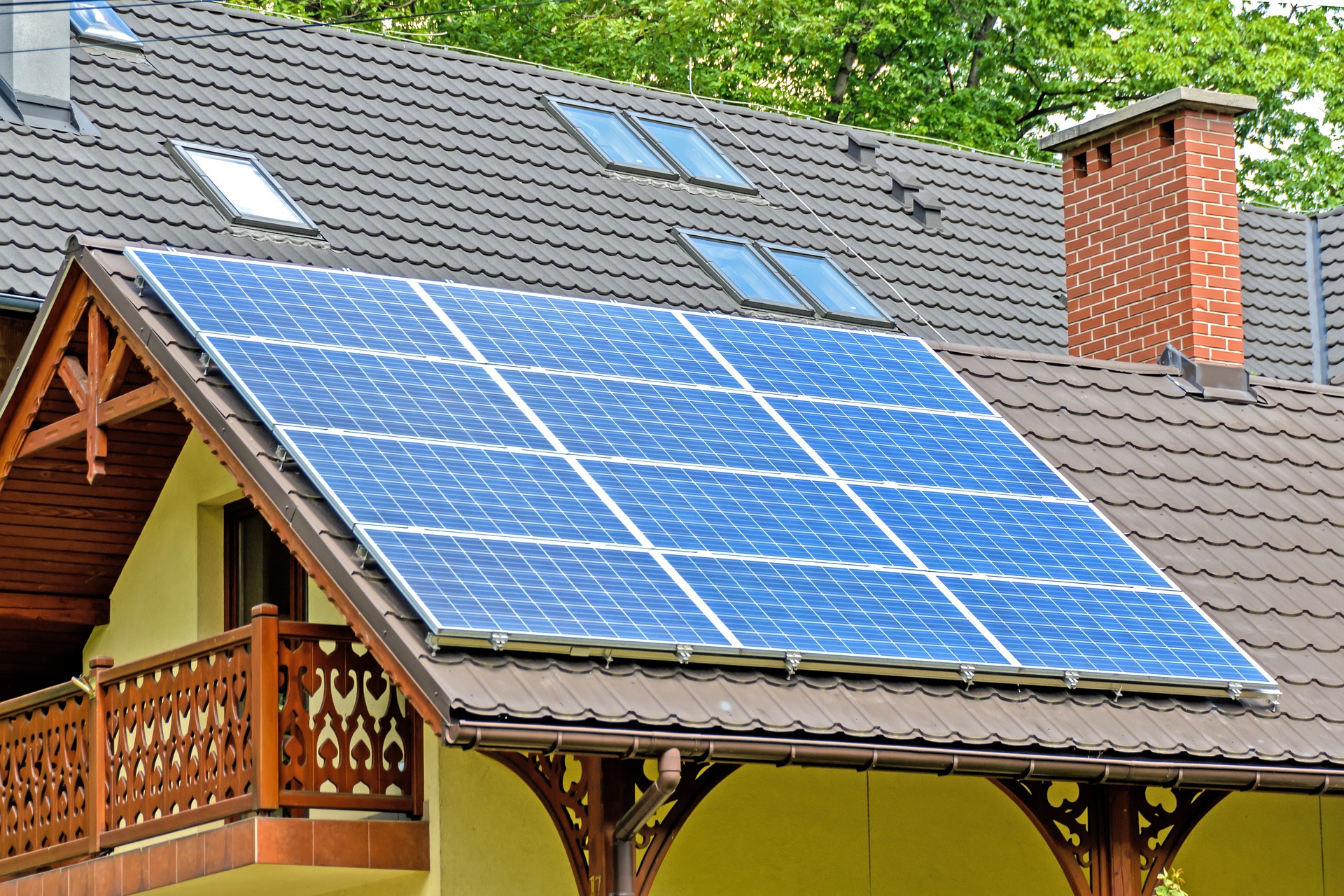
01 / BEGIN WITH SOMETHING FAMILIAR
How to explain renewable energy for kids
Start with a moving leaf, a warm patch of sunlight or a light being switched on. Ask where the energy involved comes from.
Renewable energy comes from sources that nature replenishes, such as sunlight and wind. Coal, oil and natural gas form over geological timescales, so they are not replenished on the timescale of our everyday use.
When introducing renewable energy for kids, separate the source from the equipment: sunlight is a resource; a photovoltaic panel is equipment that converts light into electricity. Electricity can be produced using different sources, so a wall socket does not tell us how it was generated.
The EIA Energy Kids introduction to energy sources provides useful background. For an adult overview, see our renewable energy sources guide.
02 / A SIMPLE STARTING VOCABULARY
Five renewable energy sources to recognise
Use this introduction to renewable energy for kids as a conversation starter. Ask children to draw one source and explain what moves, shines or provides heat.
| Source | Child-friendly explanation | A useful question |
|---|---|---|
| Solar | Sunlight can provide heat or be converted into electricity. | How is a solar panel different from a warm pavement? |
| Wind | Moving air can turn a turbine connected to a generator. | What happens when the wind changes? |
| Hydropower | Moving water can drive equipment that generates electricity. | Where does the moving water come from? |
| Geothermal | Heat from within the Earth can be used where suitable resources exist. | Does every location have the same resource? |
| Biomass | Plant material and some organic wastes can provide energy. | How is the material grown, collected and replaced? |
The EIA's renewable-energy overview identifies these sources. Renewable does not mean available every moment, free to install or without environmental effects.
03 / MATCH THE TASK TO THE CHILD
Adapt renewable energy for kids to the learner
Choose a starting point based on the child's interests, reading confidence and supervision needs. These are flexible activity suggestions, not curriculum levels or developmental tests.
Younger learners
Use pictures, short questions and sorting games. Let the child point, draw or describe what they notice rather than requiring written definitions.
Confident readers
Add predictions, a timer and a simple observation sheet. Ask what stayed the same and what changed between two trials.
Older learners
Compare explanations from different sources. Discuss variable output, storage and the difference between a small model and a real installation.
Mixed-age groups
Give different roles: drawing, recording, timing and explaining. Adults handle tools, electrical equipment and any preparation beyond the children's abilities.
Renewable energy for kids does not need to become a long lecture. Finish one small investigation, then let the next question guide the next session.
04 / LEARN BY ASKING AND OBSERVING
6 renewable energy for kids activities
Choose activities that suit the materials you already have. Keep all learning at ground level; roof spaces, solar wiring, batteries and household electrical installations are for adults and qualified professionals.
1. Sort energy sources, equipment and actions
You need: paper, pencils and three labelled spaces.
Draw cards showing sunlight, wind, coal, a solar panel, a battery, a light bulb and someone switching off an unused light. Sort them into sources, equipment and actions. Then separate the renewable source cards from the non-renewable ones.
Ask why a battery belongs with equipment. It stores energy; it does not create a fresh renewable resource. This renewable energy for kids activity is also a useful way to discover which words need another explanation.
2. Investigate a small solar-powered device
You need: a suitable enclosed solar calculator or educational solar toy, its instructions and an opaque card.
An adult first checks how the device is powered. Observe it in suitable light, cover only its solar cell with the card, then uncover it. Record what changes, if anything. Do not open the casing or remove batteries.
A backup battery or stored energy may keep some devices operating, so no visible change is not proof that light is irrelevant. Use the instructions to explain the result. The EIA's solar explanation distinguishes photovoltaic electricity from solar heating.
Teaching renewable energy for kids should include honest observations, even when they differ from the prediction.
3. Watch moving air turn a pinwheel
You need: a ready-made child-safe pinwheel with enclosed fixings.
In a safe outdoor space, hold it still and observe what happens as the breeze changes. Keep its position consistent when comparing observations. Ask what makes it turn and what happens during a lull.
A pinwheel demonstrates energy transfer from moving air into rotation. It does not generate electricity by itself. A wind turbine needs additional equipment, including a generator. This distinction keeps renewable energy for kids accurate while the activity remains simple.

4. Compare how quickly two ice cubes melt
You need: two similar ice cubes from the same tray, two identical sealed food bags, two identical dishes, a dry tea towel and a timer.
- Put one cube in each bag. Wrap one bag in the towel and leave the other unwrapped.
- Place them on separate dishes side by side indoors, away from sunlight and heaters. Start together.
- After 15 minutes, unwrap the covered bag and compare the ice remaining. If the difference is unclear, repeat with fresh cubes and a longer agreed interval.
- Record the result before explaining it. Similar cube size, starting temperature and surroundings make the comparison more useful.
Inspired by the Lunar and Planetary Institute's ice-insulation activity, this explores slowing heat transfer. It does not measure a building product's R-value. Use household fabric, not construction-insulation offcuts.
5. Become a home-energy detective
You need: a clipboard or notebook and an adult guide.
Walk through occupied rooms and identify things that provide light, warmth, cooling or movement. Make two lists: things using energy and changes that might reduce unnecessary use. Observe rather than unplugging or changing equipment.
Choose one adult-approved habit, such as switching off an unneeded room light. Leave essential equipment and comfort needs out of the challenge. The EIA explains conservation and efficiency; this activity connects renewable energy for kids with the separate question of how much energy a home needs.
6. Draw a home that uses energy thoughtfully
You need: paper, colouring materials or a reused cardboard box prepared by an adult.
Draw a home with a roof, windows, shading and an insulation layer. Add solar panels if you wish. Use one colour for features that generate electricity and another for features that affect energy demand.
Ask the child to explain each choice. An insulation layer and a solar panel have different jobs; drawing both does not prove that a real home would need no electricity from elsewhere.
For a structured extension, adults can review NASA's shoebox solar-home activity. Choose the parts appropriate to the learner and follow the supplied guide. Renewable energy for kids works well when a model leads to better questions about real buildings.
05 / HELP CHILDREN THINK LIKE INVESTIGATORS
Make a renewable energy for kids notebook
A useful renewable energy for kids notebook needs only four headings: my question, my prediction, what I changed and what I observed.
- Change one thing: for the ice activity, compare the same setup with and without the towel.
- Keep the conditions similar: avoid comparing a large cube in shade with a small cube in sunlight.
- Repeat: one unclear result is a reason to investigate again, not choose the answer you expected.
- Explain the limits: a small demonstration cannot establish a home's electricity savings or a turbine's annual output.
Let children revise their first explanation. The aim of renewable energy for kids is understanding, including learning what the evidence cannot tell us.
06 / SPREAD THE LEARNING OUT
A seven-day renewable energy for kids plan
Use this as an optional sequence, with short sessions that fit your household. Revisit an activity or skip a day when needed.
| Day | Activity | Question to discuss |
|---|---|---|
| 1 | Sort the energy cards. | Which cards show sources rather than equipment? |
| 2 | Observe the solar device. | What happened when its solar cell was covered? |
| 3 | Watch the pinwheel. | Was the air moving steadily? |
| 4 | Compare the ice cubes. | What did we keep the same? |
| 5 | Explore home energy use. | Which useful services need energy? |
| 6 | Draw the thoughtful home. | Which features supply energy and which reduce demand? |
| 7 | Share a drawing and one result. | What would we like to investigate next? |
A week of renewable energy for kids does not need purchases or perfect experiments. Reuse paper, work together and value a clear explanation over a polished model.
07 / CONNECT THE LESSON TO HOME COMFORT
What does insulation have to do with energy?
The ice activity gives renewable energy for kids a useful connection to building performance. Insulation slows heat transfer; it does not create heat or electricity.
Heat moves from warmer surroundings towards colder ones. Around the ice bag, suitable insulation can slow heat entering. In a home, insulation can reduce heat loss during cold conditions and heat gain during hot conditions. The Department of Energy's heat-flow explanation describes the underlying principles.

Where heating or cooling equipment is used, an appropriate insulation upgrade may reduce the energy needed for comfort. Actual results depend on the building, climate, installation and household habits.
Parents can explore our ceiling insulation benefits guide and comparison of insulation materials. Keep product selection and installation decisions separate from the children's experiment.
For practical household actions beyond renewable energy for kids, use our ways to save electricity guide.
08 / KEEP EXPLORING
Useful renewable energy for kids resources
The EIA's primary lesson collection offers additional starting points. Preview resources before sharing them and adapt the language and materials to your learners.
For deeper questions arising from renewable energy for kids, adults can read our guides to solar benefits and limitations and the advantages of wind energy.
Discuss photographs from your area without approaching operating equipment. If considering a science-centre visit or energy-site tour, confirm availability, age requirements and access with the operator first. A nearby wind farm is not automatically open to visitors.
Overseas teaching resources can explain the science, but their school grades, electricity statistics and installation rules should not be presented as South African equivalents.
09 / ANSWERS FOR CURIOUS LEARNERS
Renewable energy for kids: common questions
What is renewable energy in simple words?
It is energy from sources that nature replenishes, such as sunlight and wind. The resource can return naturally, although its availability changes with conditions.
Does a solar panel need heat to make electricity?
A photovoltaic panel converts light into electricity. Solar water-heating equipment uses the Sun's energy differently, to supply heat. A warm object is not automatically generating electricity.
Does a pinwheel make electricity?
An ordinary pinwheel turns when moving air transfers energy to it. It has no generator, so this activity demonstrates movement rather than electrical generation.
Is a battery a renewable energy source?
A battery stores energy. The source used to charge it may be renewable or non-renewable. Storage and generation perform different jobs.
Why include insulation in renewable energy for kids?
It introduces the separate idea of reducing energy demand. Insulation slows heat transfer, while solar panels and wind turbines can generate electricity. Understanding both helps explain an energy-conscious home.
Do we need to buy a science kit?
No. Paper sorting, drawing and the ice comparison use ordinary household materials. Use an existing suitable solar device if available, or discuss pictures and explanations instead.
FOR PARENTS / HOME COMFORT
Explore your home's insulation options
If these activities prompt questions about your own home's heating and cooling needs, the next step is an adult assessment of the building and its insulation.
Business relationship: Eco Friendly Homes is associated with Roof Insulations and Cape Ceilings & Drywalling. These links concern insulation products and installation, not children's learning kits or renewable-generation equipment.
Sources and further reading
References are linked beside the relevant explanations: EIA Energy Kids, the US Department of Energy, NASA and the Lunar and Planetary Institute. The activities are informal learning suggestions, not an accredited curriculum or an installation guide.